The cosmetics and skincare industry is one of the most visually driven markets in existence. Consumers judge product quality by its packaging before they even read the ingredient list or try the formula. In an industry where perception is reality, custom packaging is not just a necessity — it is a strategic imperative.
From luxury perfume houses to indie skincare startups, brands that invest in exceptional packaging consistently outperform competitors in sales, brand loyalty, and market positioning. This comprehensive guide covers everything cosmetics and skincare brands need to know about custom packaging.
Why Packaging Matters More in Cosmetics and Skincare
The Visual Economy
The global cosmetics market exceeds $500 billion, with millions of products competing for shelf space and consumer attention. In this crowded landscape, packaging is your primary differentiator.
Trust and Credibility
Consumers associate packaging quality with product quality. Premium packaging signals:
- Product efficacy and formulation quality
- Brand professionalism and reliability
- Respect for the consumer experience
- Willingness to invest in the brand
The Unboxing Factor
Social media has made unboxing a critical marketing channel. Beautiful packaging generates:
- Organic user-generated content on Instagram and TikTok
- Influencer partnerships and product reviews
- Viral sharing and brand awareness
- Free marketing through consumer-generated content
Essential Packaging Types for Cosmetics and Skincare
Product Boxes
Primary Packaging (Direct Contact):
- Inner boxes that hold the product directly
- Usually minimal design focused on protection
- May include product information and barcodes
Secondary Packaging (Outer Box):
- The main consumer-facing packaging
- Carries brand identity and marketing message
- Often the most visually striking element
- Includes perfumes, creams, serums, makeup
Outer Shipping Boxes
E-commerce Boxes:
- Designed to protect products during shipping
- Branded exterior for unboxing experience
- Sized to minimize void space
- Can include tissue paper, inserts, and thank-you cards
Gift Sets:
- Multi-product packaging for bundles
- Premium rigid construction
- Often collectible or reusable
- Higher margin opportunity
Tubes and Bottles
While these are product containers rather than packaging, they work in conjunction with outer boxes to create the complete brand experience.
Material Selection for Cosmetic Packaging
Paper and Cardboard
Art Paper:
- Smooth surface for high-quality printing
- Excellent color reproduction
- Available in gloss, matte, and silk finishes
- Most common choice for cosmetic boxes
Kraft Paper:
- Natural, earthy appearance
- Appeals to organic and eco-conscious brands
- Can be bleached white or left natural
- Perfect for sustainable brand positioning
Grey Board:
- Used as core material for rigid boxes
- Provides structural rigidity
- Wrapped with art paper for finished appearance
- Standard for premium cosmetic packaging
Specialty Papers:
- Textured papers (linen, eggshell, silk)
- Metallic papers for luxury effect
- Translucent vellum for ethereal designs
- Holographic papers for modern appeal
Rigid Box Materials
Paperboard Rigid Boxes:
- Thick grey board (2-3mm) wrapped with art paper
- Premium, substantial feel
- Magnetic or friction closure
- Ideal for perfumes, luxury creams, and gift sets
Folding Carton:
- Thinner, more economical
- Standard tuck-end or tray-and-lid construction
- Good for everyday cosmetics and skincare
- Space-efficient for shipping and storage
Alternative Materials
Plastic (PET, PVC):
- Transparent windows for product visibility
- Durable and lightweight
- Recyclable options available
- Common for cosmetic jars and compacts
Glass:
- Premium feel for serums and essential oils
- Chemically inert (does not react with formula)
- Recyclable and reusable
- Heavy and fragile (higher shipping cost)
Metal (Aluminum, Tin):
- Luxury perception for balms and powders
- Excellent product protection
- Durable and reusable
- Higher cost and weight
Printing Techniques for Cosmetic Packaging
Offset Printing
The industry standard for cosmetic packaging:
- Superior color accuracy and consistency
- Ideal for runs of 1,000+ units
- Handles complex multi-color designs
- Works with all paper types
- Cost-effective at volume
Digital Printing
Growing in popularity for cosmetic packaging:
- No minimum order quantity
- Fast turnaround (2-5 days)
- Ideal for prototypes and limited editions
- Variable data printing possible
- Good quality for most applications
Screen Printing
For specialty effects:
- Thick, opaque ink layers
- Works on non-paper materials
- Vibrant spot colors
- Textured finish available
- Higher per-unit cost
Finishing Options That Elevate Cosmetic Packaging
Hot Foil Stamping
Gold, silver, copper, and holographic foils create instant luxury:
- Logos and brand names
- Decorative borders and patterns
- Product names and taglines
- Accent elements on minimalist designs
Embossing and Debossing
Three-dimensional effects add tactile sophistication:
- Raised logos for brand presence
- Debossed product information for subtlety
- Blind embossing (no color, just texture)
- Foiled embossing for maximum impact
Spot UV
Selective gloss coating creates visual hierarchy:
- Glossy logos on matte backgrounds
- Textured, raised UV effects
- Contrast between glossy and matte areas
- Modern, contemporary appearance
Soft-Touch Coating
Velvety surface feel communicates premium quality:
- Standard in luxury cosmetic packaging
- Resists fingerprints
- Creates distinctive tactile experience
- Matte appearance with luxurious feel
Lamination
Protective coating extends packaging life:
- Gloss lamination for vibrant colors
- Matte lamination for sophisticated look
- Anti-scratch protection
- Moisture resistance
Design Trends in Cosmetic Packaging (2026)
1. Minimalist Luxury
Clean, simple designs that let the product speak:
- White or neutral backgrounds
- Minimal typography
- Subtle foil or embossing
- Focus on brand identity over decoration
- Appeals to premium market segment
2. Sustainable Packaging
Eco-conscious design is no longer optional:
- Recycled and recyclable materials
- Soy or vegetable-based inks
- Minimal ink coverage
- Refillable packaging systems
- Transparent sustainability claims
3. Bold Color Blocking
High-contrast, graphic designs:
- Two or three bold colors
- Geometric patterns
- Modern, editorial aesthetic
- Stand out on crowded shelves
- Appeals to younger demographics
4. Transparent Elements
Windows and clear panels:
- See-through packaging showing product
- Acetate or PET window inserts
- Partial transparency for intrigue
- Builds consumer trust through visibility
5. Retro Revival
Vintage-inspired designs:
- Art deco patterns and typography
- Heritage brand aesthetics
- Warm, nostalgic color palettes
- Ornate decorative elements
- Appeals to premium and luxury segments
6. Interactive Packaging
Engagement beyond the box:
- QR codes for product information
- AR experiences via smartphone
- Pull-tabs and hidden compartments
- Scannable ingredient transparency
- Gamification elements
Packaging by Product Category
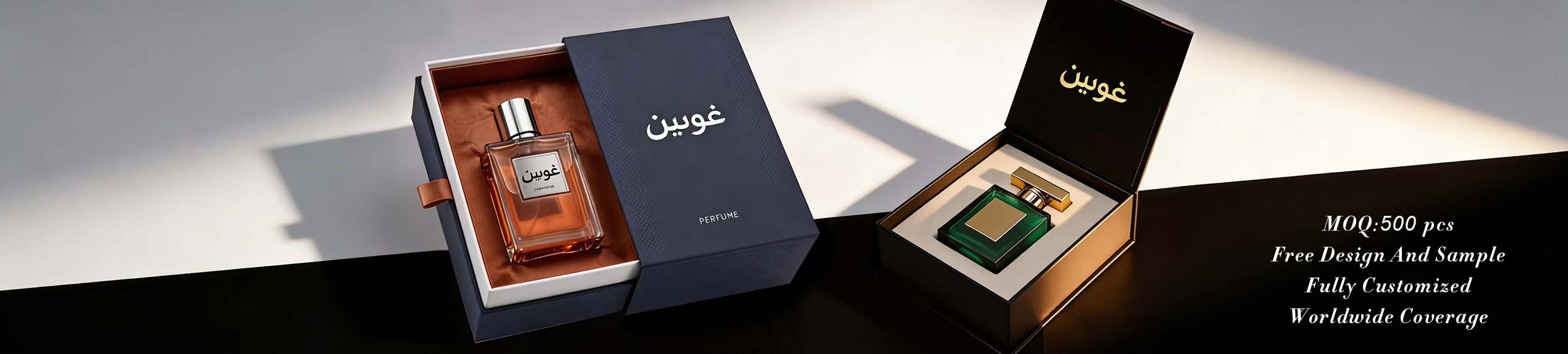
Perfume Packaging
Perfume boxes are among the most premium packaging applications:
Key Requirements:
- Magnetic closure for luxury feel
- Rigid construction (2-3mm grey board)
- Foil stamping and embossing
- Soft-touch or matte lamination
- Interior product cradle or insert
- Dust cover or outer sleeve
Popular Styles:
- Minimalist pearl-matte white boxes
- Ribbon tie magnetic coffrets
- Magnetic window display boxes
- Satin-lined gift boxes
- Drawer-style hybrid boxes
- Double-door theater opening boxes
- European book-style magnetic coffrets
Design Considerations:
- Bottle shape influences box design
- Spray mechanism clearance needed
- Protective interior for glass bottles
- Brand storytelling on interior
- Gift-ready presentation
Skincare Packaging
Skincare requires protection, information, and aesthetics:
Key Requirements:
- UV protection for light-sensitive formulas
- Clear ingredient listing
- Usage instructions
- Batch number and expiry date
- Stackable design for retail display
Popular Styles:
- Folding cartons with window displays
- Rigid boxes for premium serums
- Tubes with custom caps
- Jars with screw or snap lids
- Pump bottles with protective boxes
Design Considerations:
- Moisture resistance for bathroom use
- Child-resistant closures if required
- Refillable system compatibility
- Travel-size and full-size variants
- Set/gift box configurations
Makeup Packaging
Makeup packaging prioritizes visual impact and functionality:
Key Requirements:
- Durable for frequent handling
- Mirror integration options
- Compartmentalization for multi-products
- Hygienic design (easy to clean)
- Compact for travel
Popular Styles:
- Magnetic compacts
- Palette boxes with clear windows
- Tube and bottle combinations
- Gift sets with multiple items
- Limited edition collector packaging
Design Considerations:
- Color accuracy in packaging reproduction
- Metallic and shimmer effects in foil
- Texture contrast for tactile appeal
- Brand consistency across product lines
- Seasonal and limited edition variants
Skincare Serum and Oil Packaging
Key Requirements:
- Dropper or pump compatibility
- UV-protective materials
- Leak-proof sealing
- Precise dosing indication
- Premium unboxing experience
Popular Styles:
- Amber or cobalt glass bottles
- Custom dropper caps
- Rigid box outer packaging
- Magnetic closure boxes
- Sleeve and box combinations
Custom Packaging Process
Step 1: Consultation and Brief
Define your packaging requirements:
- Product type and dimensions
- Target market and positioning
- Order quantity and timeline
- Budget range
- Design preferences and brand guidelines
- Sustainability requirements
Step 2: Design Development
Create packaging artwork:
- Structural design (box dimensions and shape)
- Graphic design (colors, typography, imagery)
- Finish specification (foil, embossing, UV)
- Material selection
- Multiple design concepts presented
Step 3: Prototype and Sample
Physical samples for evaluation:
- Digital proof for approval
- Physical sample production (3-7 days)
- Material and finish verification
- Dimensional accuracy check
- Color matching confirmation
Step 4: Production Planning
Finalize specifications:
- Approved artwork locked for production
- Material procurement
- Plate making (for offset printing)
- Production scheduling
- Quality control criteria established
Step 5: Mass Production
Manufacturing and quality assurance:
- Printing on approved equipment
- Finishing processes applied
- Cutting and forming
- Assembly and inspection
- Packaging for shipment
Step 6: Delivery
Logistics and fulfillment:
- Quality inspection before shipping
- Protective packaging for transport
- Container loading (if applicable)
- Shipping documentation
- Tracking and delivery confirmation
Quality Standards for Cosmetic Packaging
Print Quality
- Color accuracy within Delta E 2.0
- No visible dot pattern or banding
- Sharp text and fine detail
- Consistent ink coverage
- No registration errors
Structural Quality
- Accurate dimensions (+/- 0.5mm)
- Clean edges without burrs
- Proper adhesive application
- No visible glue or bubbles
- Closure mechanism functions correctly
Material Quality
- Correct paper weight and thickness
- Consistent material across entire order
- No defects or imperfections
- Proper lamination adhesion
- Foil coverage complete and even
Pricing Guide for Cosmetic Packaging
Factors Affecting Cost
- Order quantity (economies of scale)
- Material type and weight
- Printing method and colors
- Finishing options selected
- Box structure complexity
- Interior inserts or lining
- Sample and plate costs
Sustainability in Cosmetic Packaging
Eco-Friendly Options
Recycled Materials:
- Post-consumer waste paper and board
- Recyclable construction
- FSC-certified sourcing
- Reduced environmental impact
Biodegradable Materials:
- Compostable films and coatings
- Plant-based inks
- Water-based adhesives
- Natural fiber options
Minimalist Design:
- Reduced material usage
- Elimination of excess layers
- Right-sized packaging
- Multi-functional design
Refillable Systems:
- Durable outer packaging
- Replaceable product inserts
- Consumer convenience
- Long-term cost savings
Certifications to Look For
- FSC (Forest Stewardship Council)
- PEFC (Programme for Endorsement of Forest Certification)
- Cradle to Cradle
- USDA BioPreferred
- TÜV OK Compost
Working with Your Packaging Manufacturer
Key Questions to Ask
- What materials do you recommend for my product?
- Can you provide samples before production?
- What is your minimum order quantity?
- What is your production lead time?
- Do you offer design consultation?
- What quality standards do you follow?
- Can you accommodate rush orders?
 EN
EN  FR
FR DE
DE



 Network Supported